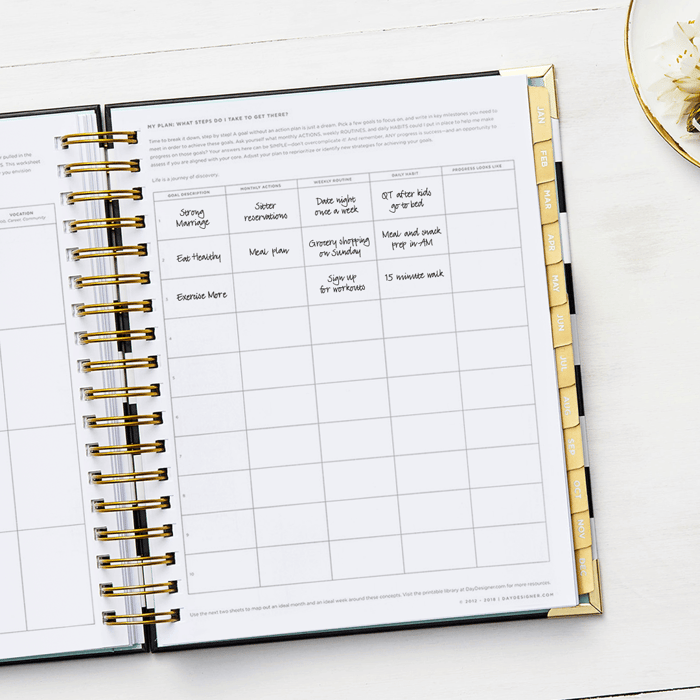
Table of Contents
- Why Big Goals Often Feel Overwhelming
- What Are Monthly Actions?
- How to Break Goals Into Action Steps
- Weekly Planning for Long-Term Goals
- Why Weekly Planning Supports Consistency
- How Habits Create Consistency
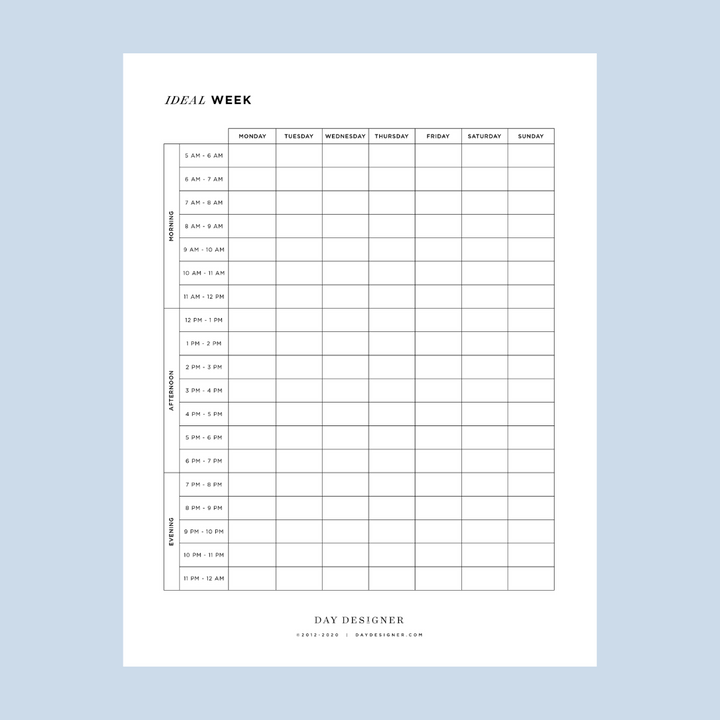
- How to Use an Ideal Week Printable
- Goal Planning Framework
- How to Create Sustainable Planning Routines
- Why Smaller Actions Work Better
- Planning Checklist
- Tips for Staying Consistent
- Why Intentional Planning Works
- Key Takeaways
- FAQs
Big goals often feel exciting in the beginning—but without a plan, they can quickly become overwhelming or difficult to maintain. One of the most effective ways to create meaningful progress is by breaking goals down into smaller, manageable monthly actions that support consistent routines over time.
Instead of focusing only on long-term outcomes, intentional planning helps turn goals into realistic weekly routines and daily habits that fit naturally into your life. Small actions repeated consistently often create more sustainable progress than trying to change everything all at once.
In this guide, we’ll explore how to organize goals into monthly actions, how weekly planning supports follow-through, and how intentional routines can help create long-term momentum without burnout.
Why Big Goals Often Feel Overwhelming
Large goals can feel inspiring—but they can also feel difficult to start when there’s no clear roadmap for execution.
Common challenges include:
- Unclear next steps
- Unrealistic expectations
- Overpacked schedules
- Lack of structure or consistency
- Feeling overwhelmed by the end goal
Breaking goals into smaller monthly actions helps create clarity and momentum while reducing unnecessary pressure.
What Are Monthly Actions?
Monthly actions are smaller, intentional steps that help support long-term goals gradually over time.
Instead of focusing only on the final outcome, monthly actions help you:
- Create realistic routines
- Build consistency
- Focus on manageable progress
- Organize priorities more intentionally
For example:
| Long-Term Goal | Monthly Actions |
|---|---|
| Improve wellness | Schedule workouts weekly |
| Organize home | Declutter one room monthly |
| Build routines | Create Sunday planning sessions |
| Improve productivity | Prioritize top tasks daily |
This approach makes goals feel more achievable and sustainable.
How to Break Goals Into Action Steps
Learning how to create intentional monthly actions starts by simplifying your goals into smaller layers of planning.
Step 1: Identify Your Main Goal
Start with one meaningful focus area.
Examples:
- Improve organization
- Build healthier routines
- Create more balance
- Improve time management
- Reduce overwhelm
Clarity creates direction.
Step 2: Break Goals Into Monthly Priorities
Instead of trying to accomplish everything immediately, ask:
- What progress would feel meaningful this month?
- Which routines support this goal?
- What actions fit realistically into my schedule?
Monthly actions help create focus without overwhelming your routine.
Step 3: Turn Monthly Goals Into Weekly Routines
Weekly planning creates structure around your goals.
Examples:
- Weekly meal prep
- Sunday planning sessions
- Scheduling workouts
- Dedicated project time
- Reflection or journaling routines
Weekly consistency supports long-term momentum.
Step 4: Support Goals Through Daily Habits
Daily habits are where long-term growth actually happens.
Small daily actions may include:
- Reviewing your planner
- Writing down priorities
- Completing one focused task
- Tracking progress consistently
Over time, these routines compound into meaningful results.
Weekly Planning for Long-Term Goals
Weekly planning creates the bridge between large goals and everyday routines.
A weekly planning routine can help you:
- Organize responsibilities clearly
- Schedule goals realistically
- Balance priorities and downtime
- Review progress regularly
Our collection of Weekly Planners helps support intentional planning with layouts designed for scheduling priorities, routines, and goals in one organized place.
Why Weekly Planning Supports Consistency
Weekly planning creates visibility around:
- How you spend your time
- Which goals need attention
- What routines support balance
- How to create realistic schedules
Instead of reacting to every task as it appears, planning ahead helps create more intentional structure throughout your week.
This is one of the reasons monthly actions are often easier to maintain than relying on motivation alone.
How Habits Create Consistency
Habits help reduce decision fatigue by making supportive routines more automatic over time.
Examples of helpful planning habits include:
- Weekly planning sessions
- Daily priority reviews
- Time-blocking focused work
- Tracking progress visually
- Reflecting on wins and challenges regularly
Small routines repeated consistently often create stronger long-term results than dramatic changes.
How to Use an Ideal Week Printable
Creating an “ideal week” helps visualize how you want your time and routines to feel.
Our free Ideal Week Printable can help you:
- Organize routines intentionally
- Schedule priorities realistically
- Balance goals and rest
- Create structure around weekly habits
Using an Ideal Week worksheet alongside your planner can help transform larger goals into realistic recurring routines.
Goal Planning Framework
| Planning Tool | Purpose | Example |
|---|---|---|
| Monthly Actions | Long-term goal support | Monthly priorities |
| Weekly Planner | Routine scheduling | Weekly planning |
| Daily Habits | Consistent follow-through | Daily priorities |
| Reflection Routine | Progress review | Weekly reset |
How to Create Sustainable Planning Routines
The most effective planning systems are usually simple enough to maintain consistently.
Focus on Fewer Goals
Trying to pursue too many goals at once often creates overwhelm.
Keep Routines Flexible
Life changes—and your planning system can evolve alongside it.
Prioritize Progress Over Perfection
Consistency matters more than perfectly executed routines.
Review Your Goals Regularly
Reflection helps ensure your routines stay aligned with your priorities.
Why Smaller Actions Work Better
Large goals often become more manageable when broken into:
- Monthly actions
- Weekly routines
- Daily habits
This layered approach creates:
- Better focus
- Reduced overwhelm
- More sustainable momentum
- Greater consistency over time
Instead of relying on short bursts of motivation, intentional planning helps support meaningful progress gradually.
Planning Checklist
Use this checklist during your planning sessions
- ☐ Identify one meaningful goal
- ☐ Break goals into monthly actions
- ☐ Schedule weekly routines
- ☐ Create simple daily habits
- ☐ Review your planner weekly
- ☐ Reflect and adjust regularly
Tips for Staying Consistent
Keep Your Planning System Simple
Simple systems are often easier to maintain long term.
Schedule Goals Realistically
Leave room for flexibility and rest throughout your schedule.
Use Visual Planning Tools
Planners and printables help create clarity and accountability.
Focus on Long-Term Progress
Small consistent actions often create the most sustainable growth.
Why Intentional Planning Works
Thoughtful planning helps create more awareness around:
- Your priorities
- Your routines
- Your available time and energy
- The actions that support long-term goals
Instead of reacting to everything at once, intentional systems help organize goals into manageable next steps.
Over time, breaking goals into monthly actions helps create routines that feel more sustainable, balanced, and achievable.
Key Takeaways
- Monthly actions help break large goals into manageable steps
- Weekly planning supports structure and consistency
- Daily habits create sustainable long-term progress
- Intentional planning reduces overwhelm and improves follow-through
2026-27 Weekly Planner: Caramel Latte Pebble Texture

$ 68.00
The complete weekly planner for goal-setting, productivity and organization. Includes monthly and weekly calendars PLUS daily planning pages, expense tracker, notes pages and more. Meet our best-selling Pebble Texture in Caramel Latte – a leather-like cover in a warm neutral… read more
Free Ideal Week Printable
$ 0.00
Organize your perfect week with our Free Ideal Week Template! This weekly schedule printable template features a clear, hourly layout from 5 AM to 12 AM, divided into morning, afternoon, and evening sections across Monday to Sunday. Map out… read more
FAQs
What are monthly actions for goal setting?
Monthly actions are smaller intentional steps that help support larger goals through manageable routines and priorities.
How do you break goals into smaller steps?
Start with a long-term goal, identify monthly priorities, schedule weekly routines, and build supportive daily habits.
Why is weekly planning important for goals?
Weekly planning helps organize responsibilities, schedule priorities realistically, and create more consistent routines.
How do habits support long-term goals?
Daily habits create consistency and momentum through small repeated actions over time.
What is an Ideal Week worksheet?
An Ideal Week worksheet helps organize routines, priorities, and goals into a more intentional weekly schedule.