Table of Contents
- How to Build Routines and Habits That Last
- 1. Create Anchors in Your Day
- 2. Think 1% Better Every Day
- 3. Choose Consistency Over Motivation
- Tools that support consistency:
- Why Habits and Routines Matter
- Build Habits That Support the Life You Want
- Design Your Environment for Success
- Track Progress and Adapt
- Reward Yourself Strategically
- Use Accountability and Support
- Be Adaptive and Patient
- Routines and Habits Formation Summary
- Final Thoughts: Build Routines and Habits That Support Your Best Life
- FAQs
If you’ve ever started a habit with the best intentions – only to watch it fade a few weeks later –you’re not alone. Building routines and habits isn’t about willpower or perfection. It’s about creating small, supportive systems that work with your real life.
The good news? Lasting habits don’t require a total overhaul. They’re built quietly, consistently, and with intention – one day at a time. Here’s how to start creating routines and habits that truly stick.
How to Build Routines and Habits That Last
1. Create Anchors in Your Day
One of the simplest ways to build consistency is to anchor new habits to moments that already exist in your routine.
An anchor is a familiar part of your day – something you already do without thinking. When you attach a small habit to that moment, it feels less like “one more thing” and more like a natural extension of your day.
For example:
A few deep breaths before opening your email
Writing one priority while your coffee brews
Stretching for five minutes after closing your laptop
Reflecting on the day before bed
These simple routines and habits add structure and calm, especially during busy seasons. They create rhythm – and rhythm is what habits thrive on.
Writing these anchors into your planner makes them visible and intentional. When you see them on the page, they stop being abstract goals and start becoming part of your everyday flow.
2. Think 1% Better Every Day
Lasting change doesn’t come from doing everything at once. It comes from small improvements repeated over time.
The “1% better” mindset invites you to ask:
What’s one tiny thing I can do today to support myself?
Maybe it’s:
Drinking one more glass of water
Going to bed ten minutes earlier
Preparing tomorrow’s to-do list tonight
Taking a short walk instead of skipping movement altogether
These small actions may feel insignificant in the moment, but they compound. Over weeks and months, they create momentum – and momentum builds confidence.
When you shift your focus from big outcomes to small daily progress, habits become less intimidating and far more sustainable.
3. Choose Consistency Over Motivation
Motivation is helpful – but it’s unreliable. It comes and goes. Habits last when they don’t depend on how you feel.
Consistency is what carries you through the days when motivation dips. Showing up imperfectly still counts. A shorter walk, a simpler meal, a quick check-in – it all matters.
This is where tracking can be powerful. Not as a tool for pressure, but for awareness.
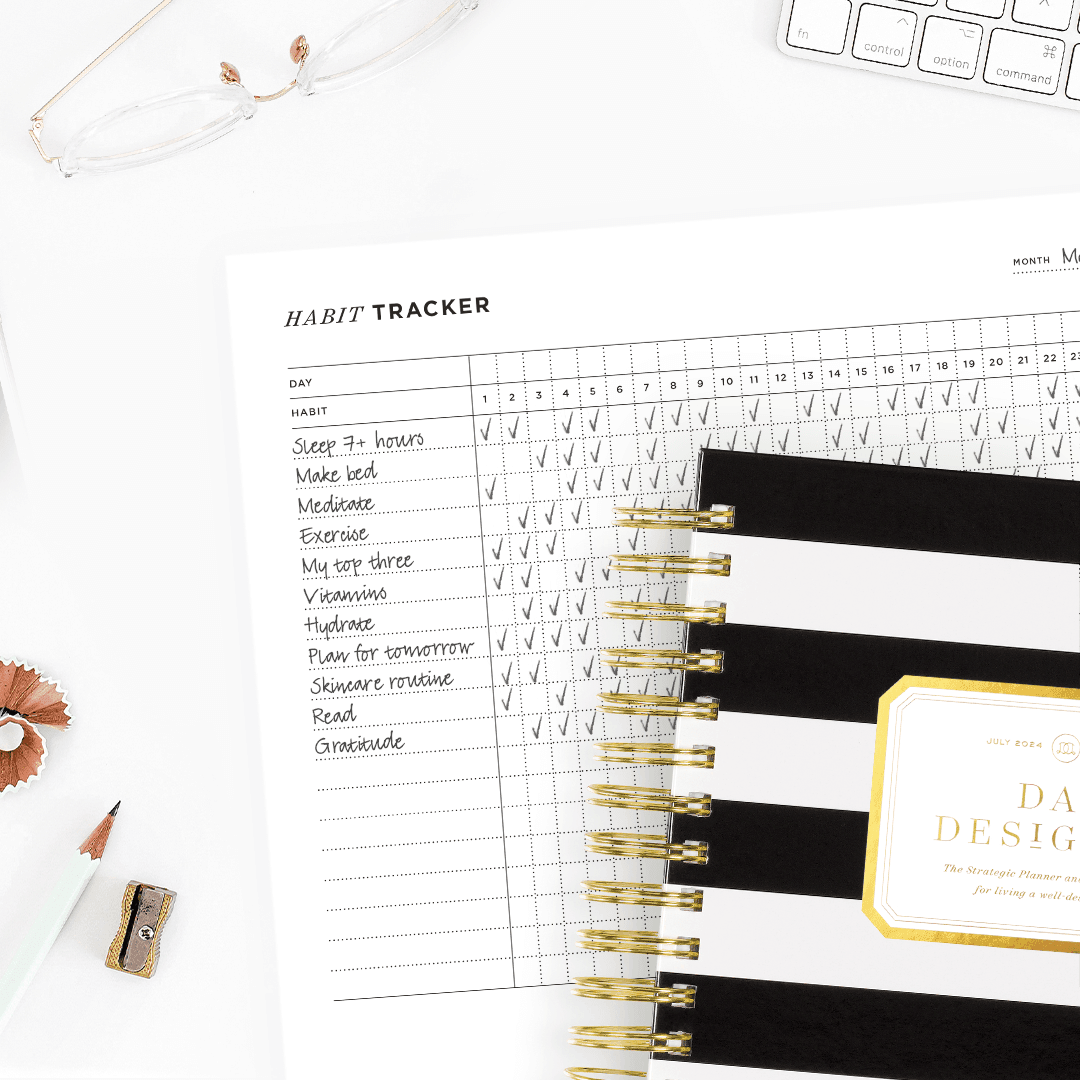
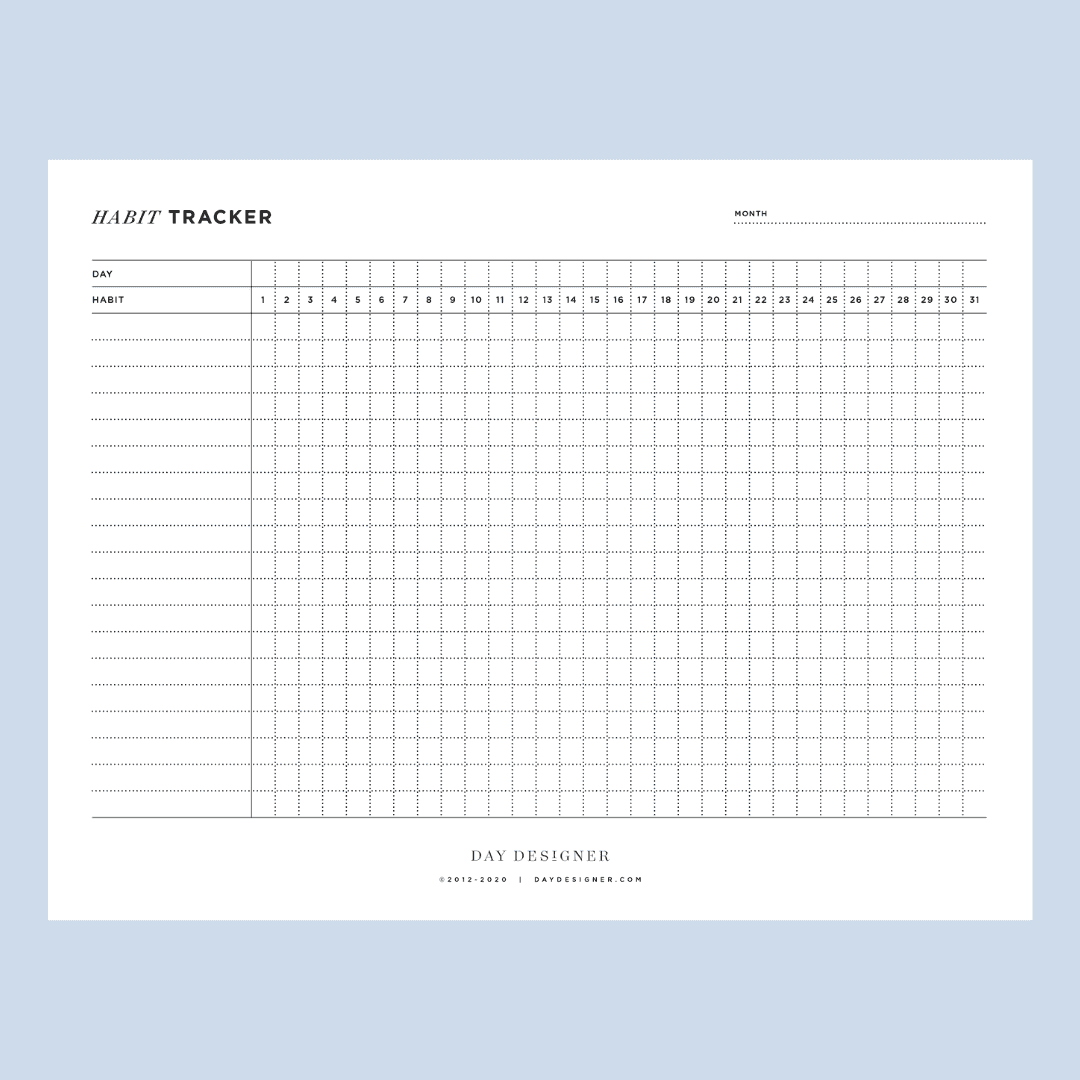
Using a habit tracker – like our free printable – helps you see patterns, notice progress, and gently hold yourself accountable. Checking a box reinforces the habit loop and reminds you that consistency builds over time.
You don’t need a perfect streak. You just need to keep returning.
Tools that support consistency:
Habit trackers – boxes to check off daily tasks. Visual tracking boosts accountability.
Journals or planners – a place to reflect on what’s working and what needs adjustment.
Reminders or alarms – gentle nudges that make routines harder to forget.
Rather than waiting to feel motivated, cultivate habits that you can follow even when motivation dips.
Why Habits and Routines Matter
Routines and habits are more than checklists – they are the foundation of intentional living. A habit is a behavior you repeat regularly until it becomes automatic; a routine is a series of habits that unfold in a predictable sequence. Together, they shape your identity, streamline decision-making, and free your brain from constant deliberation.
Research shows that around 40% of our daily behaviors are automatic habits, triggered by cues in our environment rather than active decisions each time we act.
When routines and habits are aligned with your goals – whether productivity, health, self-care, or well-being – they create consistency that leads to real progress. The goal of habit building isn’t perfection – it’s repetition and adjustment over time.
Build Habits That Support the Life You Want
Routines and habits aren’t about becoming someone else. They’re about supporting who you already are and where you want to go.
When you write your routines, intentions, and habits down, you give them space to exist outside your head. Your planner becomes more than your schedule and your to-do list. It becomes a place to reflect, reset, and recommit.
As you build your routines and habits this season, start small. Stay flexible. And remember: lasting change is created through thoughtful, consistent choices – one day at a time.
Design Your Environment for Success
Your environment strongly influences your habits. Simple changes can make good behaviors easier and bad ones harder.
Environment design tips:
Place your workout clothes next to your bed.
Keep a water bottle on your desk where you can see it.
Remove distractions (e.g., silence notifications during focus time).
By reducing friction for positive habits and increasing friction for unhealthy ones, your surroundings do part of the work for you.
Track Progress and Adapt
Tracking your progress isn’t about pressure – it’s about awareness. Seeing your streaks and patterns helps you notice where you’re strong and where adjustments are needed.
Tracking methods:
Habit tracker printables or planners.
Habit-tracking apps with reminders and streaks.
Journaling with reflections and weekly reviews.
Missed a day? That’s okay. What matters is returning to your habit the next day. Occasional misses don’t break the process – they refine it.
Reward Yourself Strategically
Rewards provide positive reinforcement that strengthens habits. When your brain associates a behavior with pleasure, you’re more likely to repeat it.
Examples of rewards:
5 minutes listening to your favorite song after a workout.
A cup of tea after completing your daily reading goal.
A mindful stretch after finishing work tasks.
Rewards don’t have to be big – just meaningful enough to reinforce your progress.
Use Accountability and Support
Building routines and habits is easier when you don’t do it alone. Tell a friend about your goals, join a group with similar interests, or share your progress on social media. Social reinforcement increases your commitment and makes habit building more enjoyable.
Be Adaptive and Patient
Routines and habits formation aren't linear. Some days will be easier than others. Some habits take longer than expected. That’s part of the journey.
If a habit isn’t working:
Reassess the trigger or cue.
Make the action simpler.
Adjust your reward system.
Try a different time of day.
Flexibility helps you stick to the habit in the long run.
Routines and Habits Formation Summary
Here’s a concise strategy you can follow:
Choose one habit you want to build.
Anchor it to an existing routine you already do daily.
Start small and make it specific.
Track consistently, but don’t stress over missed days.
Use rewards and environment design to support behavior.
Get accountability and social support.
Be patient and adapt as needed.
Final Thoughts: Build Routines and Habits That Support Your Best Life
Routines and habits aren’t about perfection – they’re about progress, consistency, and intentional action. When you design systems that work with your life – not against it – positive change becomes not only possible but sustainable. Write your intentions down, track your progress, and remember: lasting habits are built not in a sprint, but in steady, mindful steps over time.
FAQs
Which planner has the most space for tracking my routines and habits?
The Flagship Daily Planner by Day Designer provides ample space to plan our your month. It also includes a fresh, new page for every weekday and combined weekend pages. You'll love the worksheets at the front where you can get clear out of what you want to accomplish this year – and how!
How do I choose the right planner for me?
Click here to read more!
What other free printables do you offer?
Our printable library filled with helpful templates, worksheets, planning pages, and top tips are located here.
2026-27 Daily Planner: Navy Bookcloth
$ 34.00
$ 68.00
The complete daily planner for goal-setting, productivity and organization. Includes monthly calendar, daily schedule, to-do list and gratitude. Rich, deep navy with a luxe bookcloth texture – a polished, seasonless essential for the modern planner. Academic Year: July 2026 -… read more

Free Habit Tracker Printable
$ 0.00
Our free printable habit tracker gives you room for up to 19 habits, with a box to check for every day of the month. It all fits on one page. You write in whatever you're working on. Maybe that's drinking… read more
