Table of Contents
- Why Balance Matters When Setting Goals
- What It Means to Cultivate Balance With Goals
- How to Create Balanced Goal Routines
- Daily and Weekly Planning Strategies
- How Goal Setting Supports Balance
- Goal Planning Framework
- How to Use Goal-Setting Printables
- How Planning Reduces Overwhelm
- Why Sustainable Goals Matter
- Goal Planning Checklist
- Tips for Staying Consistent
- How Balanced Planning Supports Well-Being
- Key Takeaways
- FAQs
Learning how to Cultivate balance with goals starts with creating systems that support both productivity and well-being. Goals can help provide direction and purpose, but without thoughtful planning, it’s easy to feel overwhelmed, overcommitted, or disconnected from the routines that support balance.
A planner can help bridge the gap between your long-term goals and your everyday responsibilities. Instead of trying to do everything at once, intentional planning helps you organize priorities, create realistic schedules, and make consistent progress over time.
In this guide, we’ll explore practical ways to cultivate balance while working toward your goals, how daily and weekly planning can support consistency, and how goal-setting tools can help you stay focused without burnout.
Why Balance Matters When Setting Goals
Goal setting can feel exciting at the beginning—but sustainable progress often depends on balance.
When schedules become overloaded or unrealistic, it becomes harder to:
- Stay motivated
- Maintain routines
- Protect time for rest
- Follow through consistently
Learning how to Cultivate balance with goals helps create healthier routines that support long-term growth instead of short bursts of productivity.
Balanced planning creates space for:
- Meaningful priorities
- Rest and flexibility
- Realistic expectations
- Intentional progress
What It Means to Cultivate Balance With Goals
To Cultivate balance with goals means creating a planning system that supports both achievement and well-being.
Instead of focusing only on productivity, balanced goal planning considers:
- Your available time and energy
- Personal and professional responsibilities
- Rest and recovery
- Long-term sustainability
This creates routines that feel supportive instead of overwhelming.
How to Create Balanced Goal Routines
The most sustainable planning systems are simple, flexible, and realistic.
Step 1: Focus on Fewer Goals
Trying to prioritize too many goals at once often leads to overwhelm.
Instead:
- Choose 3–5 meaningful priorities
- Focus on what matters most right now
- Allow goals to evolve over time
Clarity creates better focus and follow-through.
Step 2: Break Goals Into Smaller Steps
Large goals become more manageable when broken into smaller actions.
For example:
| Goal | Smaller Action Steps |
|---|---|
| Improve wellness | Meal prep + walks |
| Build routines | Weekly planning session |
| Organize schedule | Daily planner check-ins |
Smaller steps help create consistency without unnecessary pressure.
Step 3: Schedule Goals Realistically
One of the best ways to Cultivate balance with goals is to avoid overfilling your schedule.
When planning your week:
- Leave space between commitments
- Avoid unrealistic to-do lists
- Prioritize essential tasks first
- Schedule downtime intentionally
A balanced calendar supports more sustainable productivity.
Step 4: Review Progress Regularly
Balanced goal-setting requires flexibility.
Regular reviews help you:
- Adjust priorities
- Reevaluate workloads
- Celebrate progress
- Identify what’s no longer working
Your routines should evolve alongside your season of life.
Daily and Weekly Planning Strategies
Thoughtful planning routines help support both structure and flexibility.
Daily Planning Helps You:
- Focus on immediate priorities
- Organize your schedule clearly
- Create intentional routines
Our collection of Daily Planners helps organize priorities, schedules, and tasks in one structured layout designed for intentional planning.
Weekly Planning Helps You:
- Balance responsibilities across multiple days
- Plan goals more realistically
- See your schedule holistically
If you prefer a broader overview of your time, our Weekly Planners create space for both structure and flexibility throughout the week.
Why Daily and Weekly Planning Work Together
Weekly planning creates the framework for your goals, while daily planning helps support execution and consistency.
Together, they create a more balanced planning system overall.
How Goal Setting Supports Balance
Intentional goals help create clarity around:
- What matters most
- How you spend your time
- Which routines support your well-being
The goal isn’t to become endlessly productive—it’s to create alignment between your priorities and your daily actions.
Learning how to Cultivate balance with goals means planning in a way that supports both growth and sustainability.
Goal Planning Framework
| Planning Tool | Purpose | Example |
|---|---|---|
| Daily Planner | Daily priorities | Top 3 tasks |
| Weekly Planner | Big-picture scheduling | Meetings, goals |
| Goal Worksheet | Goal clarification | Monthly priorities |
| Reflection Routine | Progress reviews | Weekly check-ins |
How to Use Goal-Setting Printables
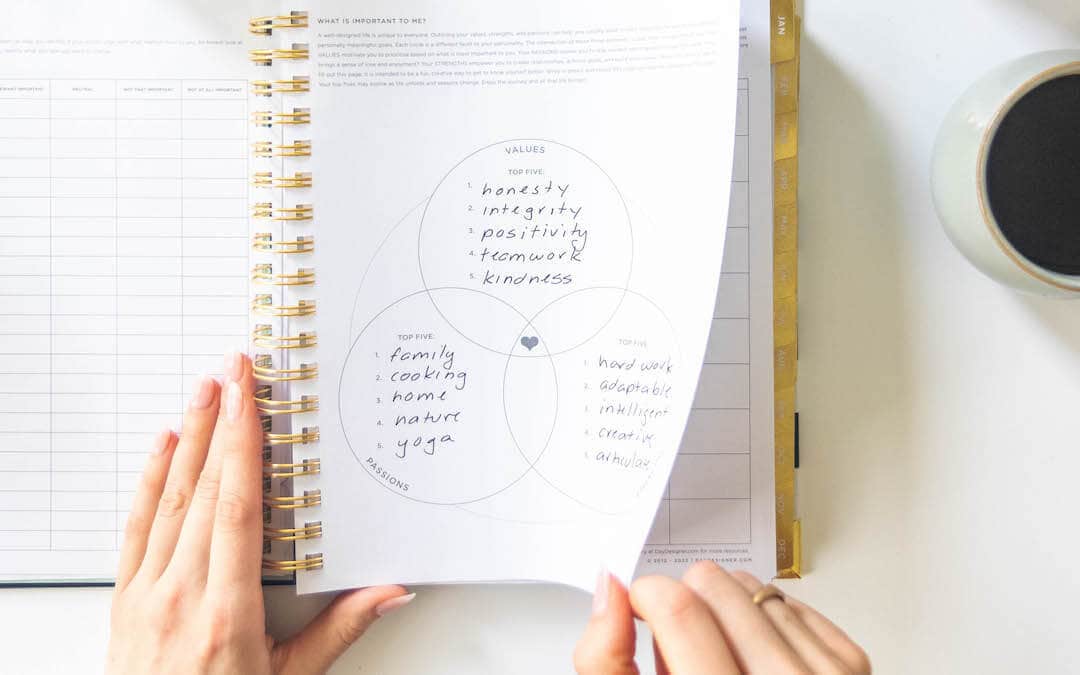
Goal-setting printables create additional structure and clarity around your priorities.
Our free Goal-Setting Worksheet Printable can help you:
- Organize your goals clearly
- Break larger goals into smaller steps
- Create realistic action plans
- Stay focused on meaningful priorities
Using a printable alongside your planner creates a more intentional and flexible planning system.
How Planning Reduces Overwhelm
When everything lives in one organized place, it becomes easier to:
- Prioritize intentionally
- Make realistic decisions about your time
- Reduce mental clutter
- Follow through consistently
Balanced planning routines create clarity—not pressure.
Why Sustainable Goals Matter
The most meaningful progress often comes from consistent small actions over time.
Trying to accomplish everything at once can lead to:
- Burnout
- Frustration
- Unrealistic expectations
- Inconsistency
Creating balanced routines helps support goals in a healthier, more sustainable way.
This is one of the most important parts of learning how to Cultivate balance with goals over time.
Goal Planning Checklist
Use this checklist to support balanced planning:
- ☐ Identify meaningful priorities
- ☐ Break goals into smaller steps
- ☐ Schedule goals realistically
- ☐ Leave room for flexibility
- ☐ Review progress regularly
- ☐ Adjust routines as needed
Tips for Staying Consistent
Focus on Progress
You don’t need perfect routines to make meaningful progress.
Keep Your Planning System Simple
Simple systems are often easier to maintain long term.
Review Your Planner Daily
Consistent check-ins help keep priorities visible.
Allow Flexibility
Balanced planning includes room for changing schedules and unexpected responsibilities.
How Balanced Planning Supports Well-Being
Balanced planning helps create:
- More realistic expectations
- Healthier routines
- Better focus and follow-through
- More intentional use of your time
Instead of chasing constant productivity, thoughtful planning helps support sustainable growth and greater clarity overall.
Key Takeaways
- Learning how to Cultivate balance with goals starts with realistic planning
- Daily and weekly planning routines support consistency and flexibility
- Goal-setting worksheets help create structure and clarity
- Sustainable routines support long-term growth without overwhelm
2027 Daily Planner: Swan Lake
$ 68.00
The complete daily planner for goal-setting, productivity and organization. Includes monthly calendar, daily schedule, to-do list and gratitude. Graceful charm 🦢 Our blue and ivory planner with illustrated swans, bows, and florals brings an unexpected yet timeless style to your… read more

Free Goal-Setting Worksheet Printable
$ 0.00
Most goals fail for a fairly boring reason, which is that they all come from the same part of life. Our free goal setting worksheet fixes that by asking you to set goals across five areas: Self-Care, Relationships, Personal Development,… read more

FAQs
How do you cultivate balance with goals?
Create realistic planning routines, focus on meaningful priorities, and break goals into manageable action steps.
Why is balance important when setting goals?
Balanced goal-setting helps reduce overwhelm, improve consistency, and support long-term sustainability.
How do planners support goal setting?
Planners help organize priorities, schedule tasks realistically, and create structure around your routines.
Should I use a daily or weekly planner for goals?
Daily planners help organize immediate priorities, while weekly planners provide a broader view of your schedule and responsibilities.
How can goal-setting printables help with planning?
Goal-setting worksheets help clarify priorities, organize action steps, and create more intentional planning systems.