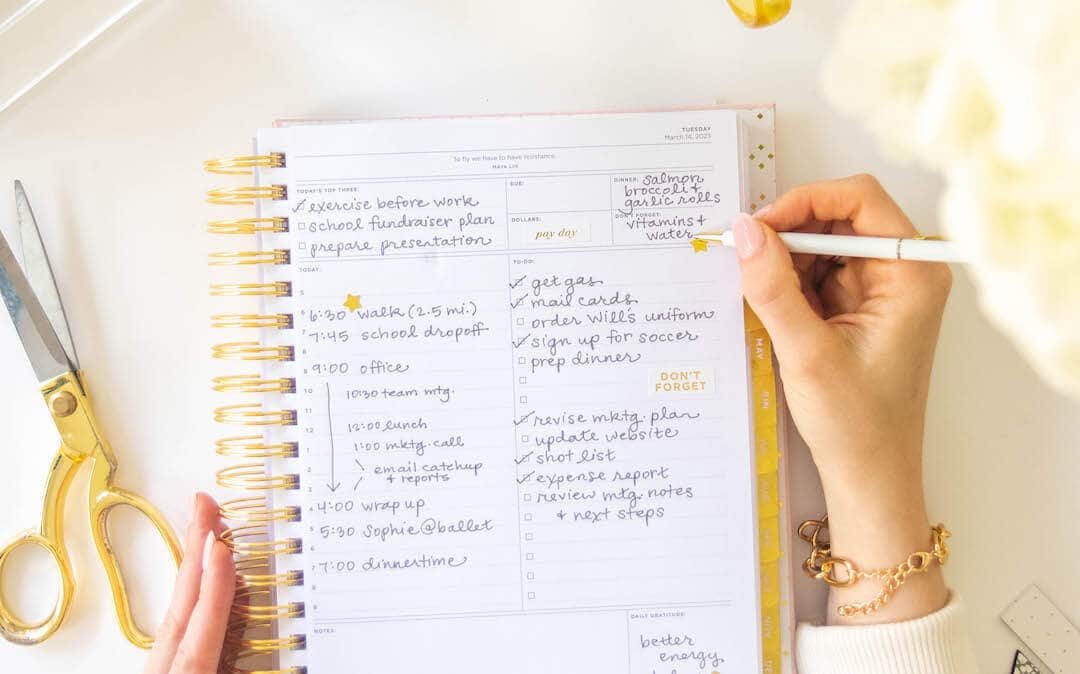
Table of Contents
- Why Daily Planning Matters
- What Makes Daily Planning Effective
- How to Start a Planning Routine
- Daily Planning Tips to Stay Organized
- How to Use a Daily Planner
- How Weekly Planning Supports Daily Planning
- Daily Planning Framework
- How to Use the Free Daily Planning Page
- How Daily Planning Supports Your Goals
- Planning Checklist
- Tips for Staying Consistent
- Why Planning Works
- Key Takeaways
- FAQs
Creating a thoughtful daily planning routine can completely change the way your days feel. Instead of reacting to endless tasks and distractions, intentional planning helps you move through your schedule with more clarity, focus, and flexibility.
Whether you prefer detailed structure or a simple routine, using a daily planner gives you space to organize your priorities, manage your time, and create rhythms that support your goals. In this guide, we’ll walk through practical planning tips, how to build a routine that works for you, and how to use tools like our free Daily Planning Page printable and Daily Planners to stay consistent.
Why Daily Planning Matters
A consistent planning routine helps create structure without overwhelm. Instead of trying to remember everything mentally, writing down your priorities creates clarity around what truly needs your attention.
Benefits of planning include:
- Better time management
- Reduced decision fatigue
- More realistic schedules
- Improved focus and productivity
- Greater alignment with personal goals
Intentional planning isn’t about filling every moment—it’s about making space for what matters most.
What Makes Daily Planning Effective
The most sustainable planning systems are simple, flexible, and realistic.
Effective planning focuses on:
- Prioritizing important tasks
- Organizing your schedule clearly
- Creating manageable expectations
- Leaving room for flexibility
The goal is not perfection—it’s consistency.
How to Start a Planning Routine
Building a routine doesn’t need to feel complicated.
Step 1: Choose a Planning Time
Many people prefer:
- Evening planning for the next day
- Morning planning for clarity and focus
Choose a consistent time that feels sustainable.
Step 2: Identify Your Priorities
Instead of creating a long to-do list, focus on:
- Your top 3 priorities
- Important appointments or deadlines
- Personal tasks or routines
This keeps your plan focused and manageable.
Step 3: Organize Your Schedule
Use your planner to map out:
- Meetings or commitments
- Focus work sessions
- Personal responsibilities
- Breaks and buffer time
Structured schedules help reduce overwhelm.
Step 4: Review and Adjust
Planning works best when it remains flexible.
At the end of the day:
- Review completed tasks
- Carry over unfinished items
- Adjust priorities as needed
This creates a planning system that supports real life—not perfection.
Daily Planning Tips to Stay Organized
A few small adjustments can make your planning routine feel more effective and sustainable.
Start With Priorities
Focus on what matters most before filling your day with smaller tasks.
Time Block When Needed
Assigning tasks to specific time periods can help improve focus and reduce distractions.
Keep Your Planner Visible
A visible planner serves as a reminder to stay aligned with your priorities.
Avoid Overloading Your Schedule
Leave open space for transitions, breaks, and unexpected tasks.
Review Your Day Regularly
Checking in throughout the day helps you stay realistic and intentional.
These habits make daily planning feel supportive instead of overwhelming.
How to Use a Daily Planner
A daily planner gives structure to your schedule while helping you stay focused on your goals.
What to Include
- Top priorities
- Meetings and appointments
- Personal tasks
- Notes and reminders
Using a dedicated planner creates a clear system for organizing your time.
Our collection of Daily Planners is designed to support intentional planning with layouts that balance productivity and flexibility.
How Weekly Planning Supports Daily Planning
While daily planning helps you manage your immediate priorities, weekly planning provides the bigger picture.
Weekly Planning Helps You:
- Organize your schedule in advance
- Balance responsibilities across multiple days
- Avoid overcommitting
Daily Planning Helps You:
- Execute priorities step-by-step
- Stay focused on the present day
- Create momentum through consistent action
Together, weekly and daily planning create a more balanced planning system.
Daily Planning Framework
| Planning Level | Focus | Example |
|---|---|---|
| Weekly Planning | Big-picture priorities | Appointments, deadlines |
| Daily Planning | Actionable tasks | Top 3 priorities |
| Time Blocking | Focus sessions | Work blocks, errands |
| Reflection | End-of-day review | Carry-over tasks |
How to Use the Free Daily Planning Page
Our free Daily Planning Page Printable is designed to help simplify your planning routine.
Use it to:
- Organize your top priorities
- Structure your schedule
- Track important tasks
- Stay focused throughout the day
It’s especially helpful if you’re building a new planning habit or want a flexible planning tool before committing to a full planner system.
How Daily Planning Supports Your Goals
Small, intentional actions create long-term progress.
When you consistently practice planning, you:
- Improve follow-through
- Reduce overwhelm
- Create more intentional routines
- Stay connected to your larger goals
Your planner becomes more than a schedule—it becomes a tool that supports how you want to live and work.
Planning Checklist
Use this checklist to support your routine:
- ☐ Review your schedule
- ☐ Choose your top 3 priorities
- ☐ Add appointments and commitments
- ☐ Leave room for flexibility
- ☐ Review progress at the end of the day
Tips for Staying Consistent
Keep Your System Simple
Overcomplicated planning systems are harder to maintain.
Use the Same Planning Routine Daily
Consistency creates momentum.
Focus on Progress
Not every day will go perfectly—and that’s okay.
Pair Your Planner With Printables
Using both structured planner pages and flexible printables can help your system feel more supportive and customizable.
Why Planning Works
Intentional planning creates clarity around how you spend your time.
Instead of feeling reactive, you can:
- Prioritize more effectively
- Stay aligned with your goals
- Create calmer, more focused routines
A thoughtful planning system helps simplify your day while supporting long-term growth.
Key Takeaways
- Consistent planning helps reduce overwhelm and improve focus
- Daily planners provide structure and flexibility
- Weekly planning supports more balanced daily schedules
- Simple planning systems are easier to maintain long term.
Not Sure Which Planner Is Right for You?
Take our quick quiz to find your perfect planner match based on your schedule, goals, and planning style.
Take the Planner Quiz
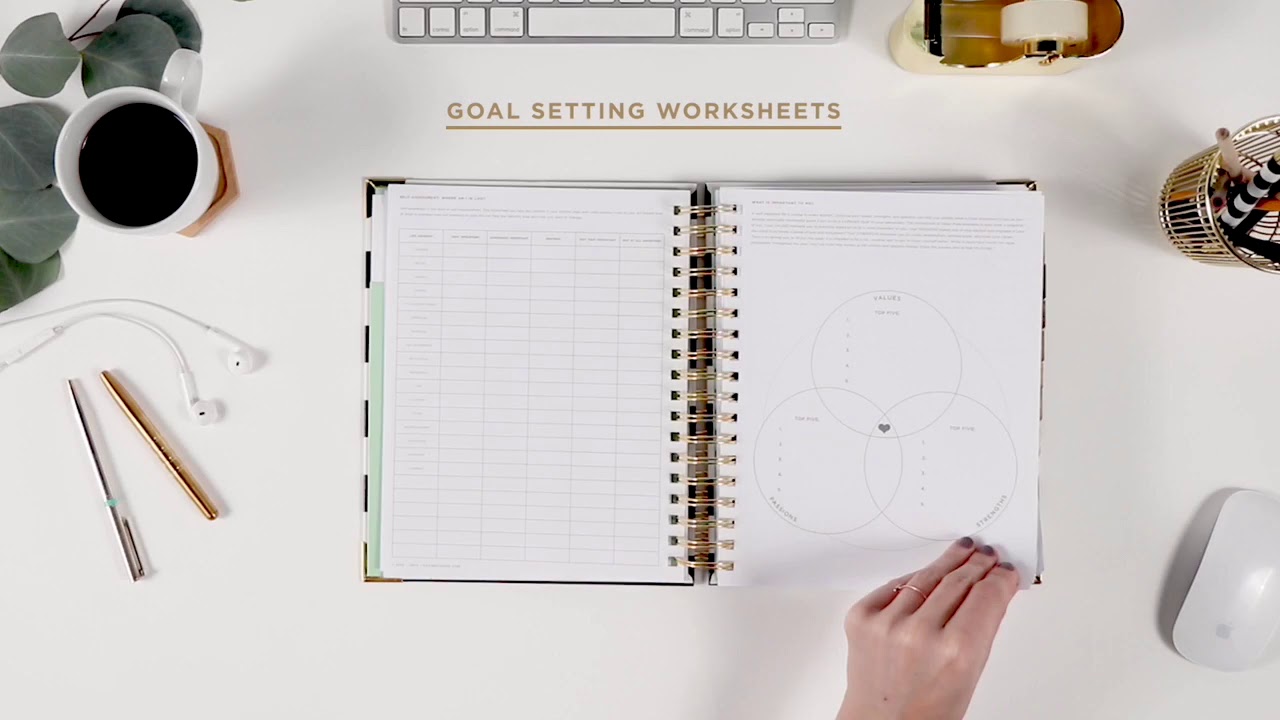
Watch the Day Designer Flagship Daily Planner video
2027 Daily Planner: Black Stripe
$ 68.00
The complete daily planner for goal-setting, productivity and organization. Includes monthly calendar, daily schedule, to-do list and gratitude. The pattern that started it all! 🌟 Chic and sophisticated, our Black Stripe is the modern classic. Calendar Year: January - December… read more

Free Daily Planner Page Printable
$ 0.00
Our free daily planner printable is the page the whole Day Designer system grew out of. Your schedule and your to-do list sit side by side on one sheet, which is what makes it possible to plan a day you… read more

FAQs
What is daily planning?
Daily planning is the process of organizing your schedule, priorities, and tasks for the day to improve focus and time management.
How do I start a daily planning routine?
Start by choosing a consistent planning time, identifying your top priorities, and organizing your schedule in a planner.
What should I include in my daily planner?
Include appointments, tasks, top priorities, reminders, and notes to create a clear and manageable daily plan.
How does weekly planning support daily planning?
Weekly planning provides a broader view of your schedule, helping you balance priorities before organizing your day-to-day tasks.